Sydney has a lot of housing stock from the early and mid twentieth century, and most of it renovates beautifully. What older homes do not do is behave predictably. Here is what to investigate before the design is finalised.
Structure
- Subfloor. Bearers, joists and stumps in older homes may have moisture damage or termite history. Ventilation under the floor is often inadequate.
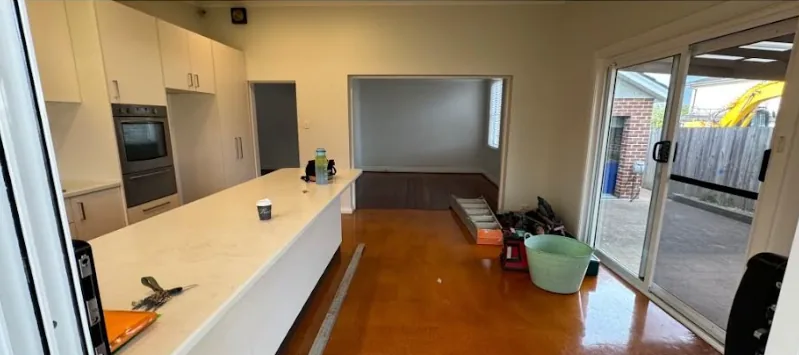
- Floor levels. Expect out of level floors. Levelling them properly affects door heights, skirtings, joinery and stairs, so it needs to be a decision rather than a surprise.
- Walls. Which walls are load bearing is not always obvious, particularly where previous work has already changed the load paths.
- Roof framing. Older roofs were often built to different spans and loads. Removing walls below can require significant beam work above.
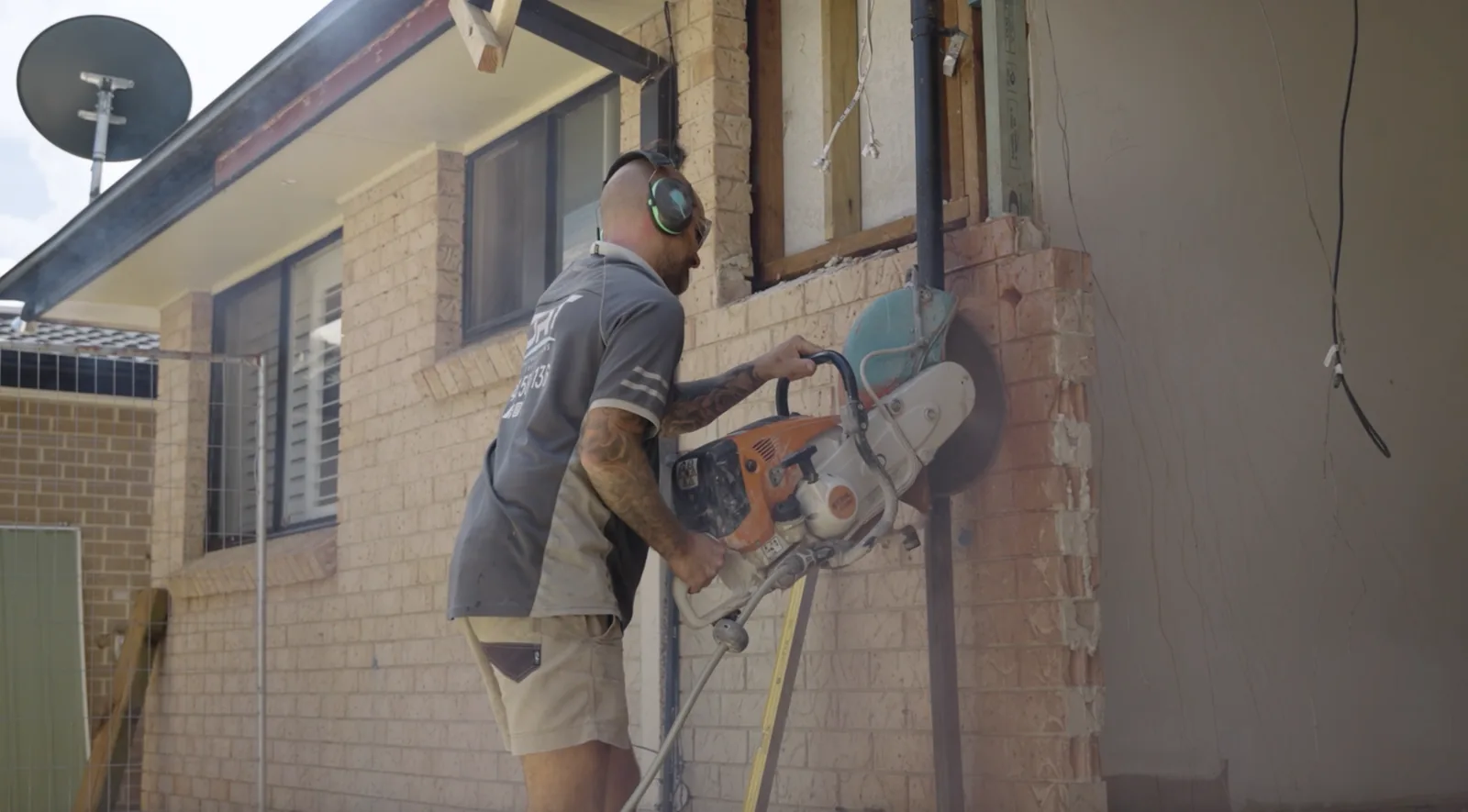
- Brickwork. Cracking, previous patching, and in some cases footing movement, all need assessment rather than a guess.
Services
- Electrical. Old wiring, insufficient circuits and outdated switchboards are common. Once you open the walls it is usually the right time and the sensible cost to upgrade.
- Plumbing. Old galvanised or early copper pipework, marginal falls on drainage, and vitrified clay sewer lines with root intrusion.
- Stormwater. Frequently the least documented system on the property, and often the cause of moisture problems.
- Gas. Old appliances and pipework that may need replacing to meet current requirements.
Moisture
Older homes deal with water differently to modern ones. Look for:
- Rising damp in masonry
- Blocked or bridged subfloor vents
- Old waterproofing in wet areas, which was often minimal or nonexistent
- Poor drainage against the house
- Downpipes discharging next to footings
Fixing moisture is unglamorous and it protects everything else you are about to spend money on.
Hazardous materials
Homes built or renovated before the late 1980s may contain asbestos in eaves, sheeting, wet area linings, roofing and flooring products. Lead based paint is also a consideration in older homes. Do not disturb suspect materials. Have them identified and, if required, removed by appropriately licensed people. This is a legal and safety requirement, and it belongs in the budget from the start rather than appearing as a variation.
Heritage and character
If the property is a heritage item or sits in a conservation area, external changes are assessed more closely. This affects what you can do at the front of the house, to the roof form and to windows.
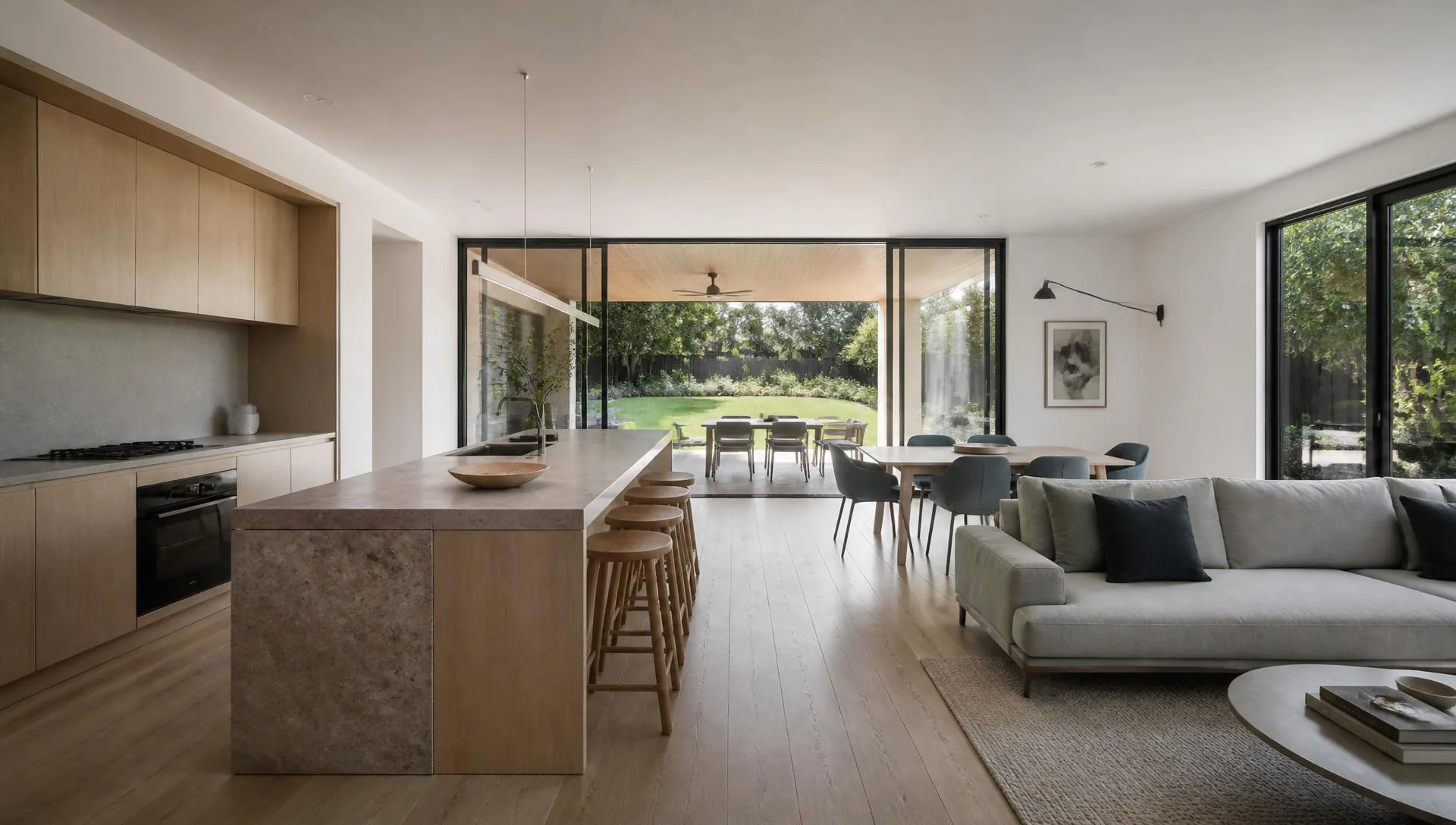
Even where there are no heritage controls, character is worth protecting. The homes that renovate best usually keep the original front rooms and their proportions, and put the new work at the rear where a contemporary approach reads well.
Where the budget goes on an older home
| Item | Why it consumes budget |
|---|---|
| Structural repair | Damaged bearers, joists, lintels and footing movement |
| Service upgrades | Electrical and plumbing replacement once walls are open |
| Levelling and squaring | Floors and walls out of true affect every trade after them |
| Waterproofing and drainage | Old wet areas and poor site drainage |
| Hazardous material removal | Licensed removal and disposal where required |
| Making good | Matching existing profiles, cornices, mouldings and brickwork |
How to keep control
- Investigate before you design. Lift a floor trap, get into the roof space, look under the house.
- Allow a larger contingency than you would on a newer home.
- Prioritise structure, services and moisture over finishes.
- Match existing profiles where new joins old, or make the junction deliberate rather than accidental.
- Choose a builder who works on homes of this age regularly and can tell you what they expect to find. Our carpentry team does a lot of this work, where matching existing joinery and framing is the difference between a renovation that reads well and one that does not.
Related reading
ORT Constructions renovates older Sydney homes regularly. Our renovations service covers investigation, structural repair, services, wet areas and finishing, so one team carries responsibility from strip out to handover.
Frequently asked questions
- Do older homes always cost more to renovate?
- Usually, yes. Structural repair, service upgrades, levelling and moisture work are common, and they are costs that arise from the condition of the house rather than from the design.
- What about asbestos in an older Sydney home?
- Homes built or renovated before the late 1980s may contain asbestos products. Do not disturb suspect materials. Have them identified and, where required, removed by appropriately licensed people.
- Should I level the floors in an old house?
- It is a decision worth making deliberately. Levelling affects door heights, skirtings and joinery, so it should be planned and priced rather than discovered halfway through the job.