Most people comparing an extension to moving compare the wrong two numbers. They put the cost of building against the difference in house prices, and leave out everything that sits around a sale.
The costs of moving that people forget
- Stamp duty on the purchase, which in Sydney is a substantial sum on its own
- Agent commission and marketing on the sale
- Legal and conveyancing costs on both transactions
- Building and pest inspections, sometimes on several properties
- Removalists, storage and the cost of overlapping arrangements
- The work you will almost certainly do to the new house anyway
Once those are added, the gap between "buy bigger" and "build what we need" narrows considerably, particularly if you want to stay in the same suburb.
What extending buys you
You keep the location, the school catchment, the neighbours and the garden you have already established. You also get space designed around how your household actually lives rather than how a previous owner lived.
The other advantage is control. You choose the layout, the light, the storage and where the noisy parts of the house sit relative to the quiet parts. A purchased house is a compromise between what is on the market and what you need.
When moving is genuinely the better call
Extending is not always the right answer. Moving usually wins when:
- The block cannot accommodate the space you need, or setbacks and site coverage limits make it impractical
- The existing house has serious structural or drainage problems that would consume the budget before you add anything
- You need the extra space urgently and cannot live through a build or fund a rental
- You want a different area, not a different house
- The finished value of the extended home would sit well above what the street supports
That last point matters. There is a ceiling on most streets. Spending beyond it is a lifestyle decision rather than a financial one, and worth making with open eyes.
A fair comparison
| Consideration | Extending | Moving |
|---|---|---|
| Upfront transaction costs | Approvals, design, engineering | Stamp duty, agent fees, legals, inspections |
| Disruption | Months of building, possible temporary move | Weeks of packing and moving |
| Control over layout | You design it | You accept what exists |
| Location | Unchanged | Changes, for better or worse |
| Risk | Site surprises during construction | Surprises after settlement |
| Timeline | Design, approval, then construction | Search, purchase, then settlement |
Questions worth answering before you decide
- What is the house short of? Bedrooms, living space, storage, a second bathroom, or connection to the yard?
- Can the block take it? Setbacks, site coverage, private open space and access all matter.
- Would you be happy in this house in ten years if the space problem were solved?
- Can you fund the build and live somewhere during the noisy stages if you need to?
- What does a comparable renovated home in your street actually sell for?
If you are leaning towards extending, what to know before building a home extension covers the practical preparation, and how long a home extension takes will help you plan around the disruption.
Living through a build
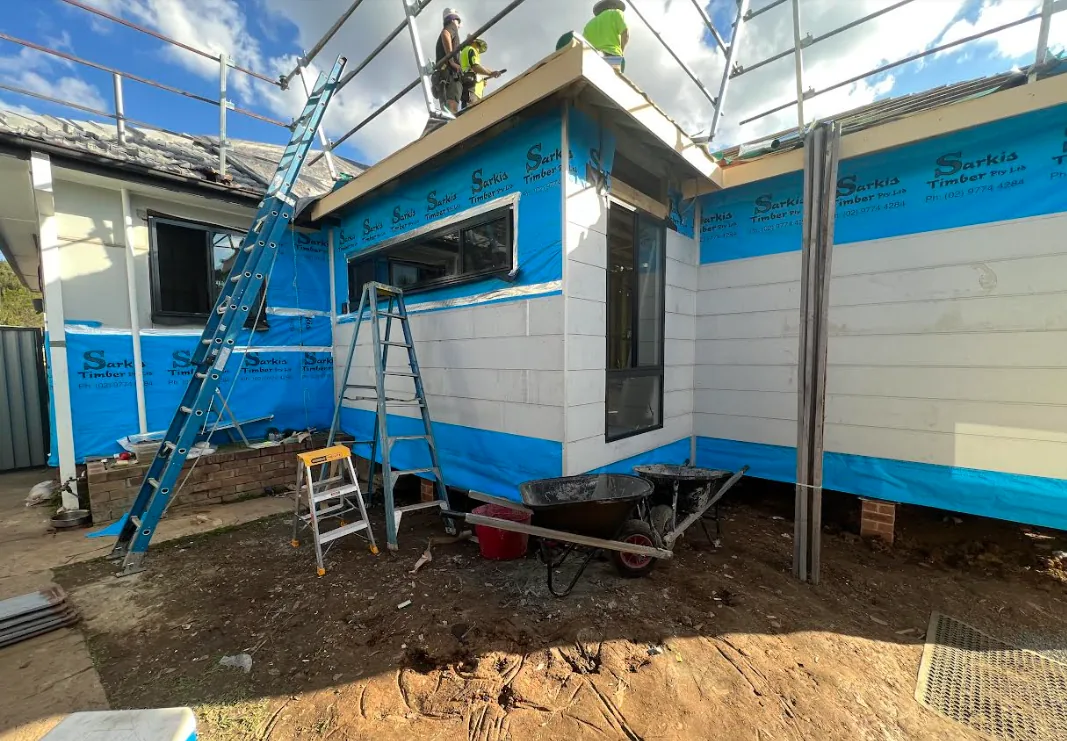
This is the part most people underestimate. A rear extension where the kitchen is removed for a period is a very different experience to a first floor addition where the existing house stays largely usable. Talk to your builder about staging early. A sensible sequence and a temporary kitchen can be the difference between a stressful build and a manageable one.
A middle option
Sometimes the answer is not a large extension or a move, but a smaller structural change plus a renovation. Removing a wall, relocating a bathroom and reworking the rear of the house can deliver most of what a household wanted for considerably less than a full addition. Our renovations and extensions work often starts as one and becomes the other once the numbers are in front of the client.
If you are weighing the two options, ORT Constructions can look at your property and tell you honestly whether the block and the existing structure suit what you have in mind.
Frequently asked questions
- Does an extension add more value than it costs?
- Sometimes, but not automatically. Extensions that fix how a home functions tend to hold value well. Spending beyond what comparable homes in the street achieve is a lifestyle decision rather than an investment.
- Can we stay in the house during an extension?
- Often yes, depending on the scope. Rear extensions that remove the kitchen or a bathroom for a period are harder to live through than first floor additions or work isolated from the main living areas.
- How do I know if my block can be extended?
- Setbacks, site coverage, private open space requirements, easements and access all affect what is possible. A builder or designer can give you a quick read before you spend money on full drawings.