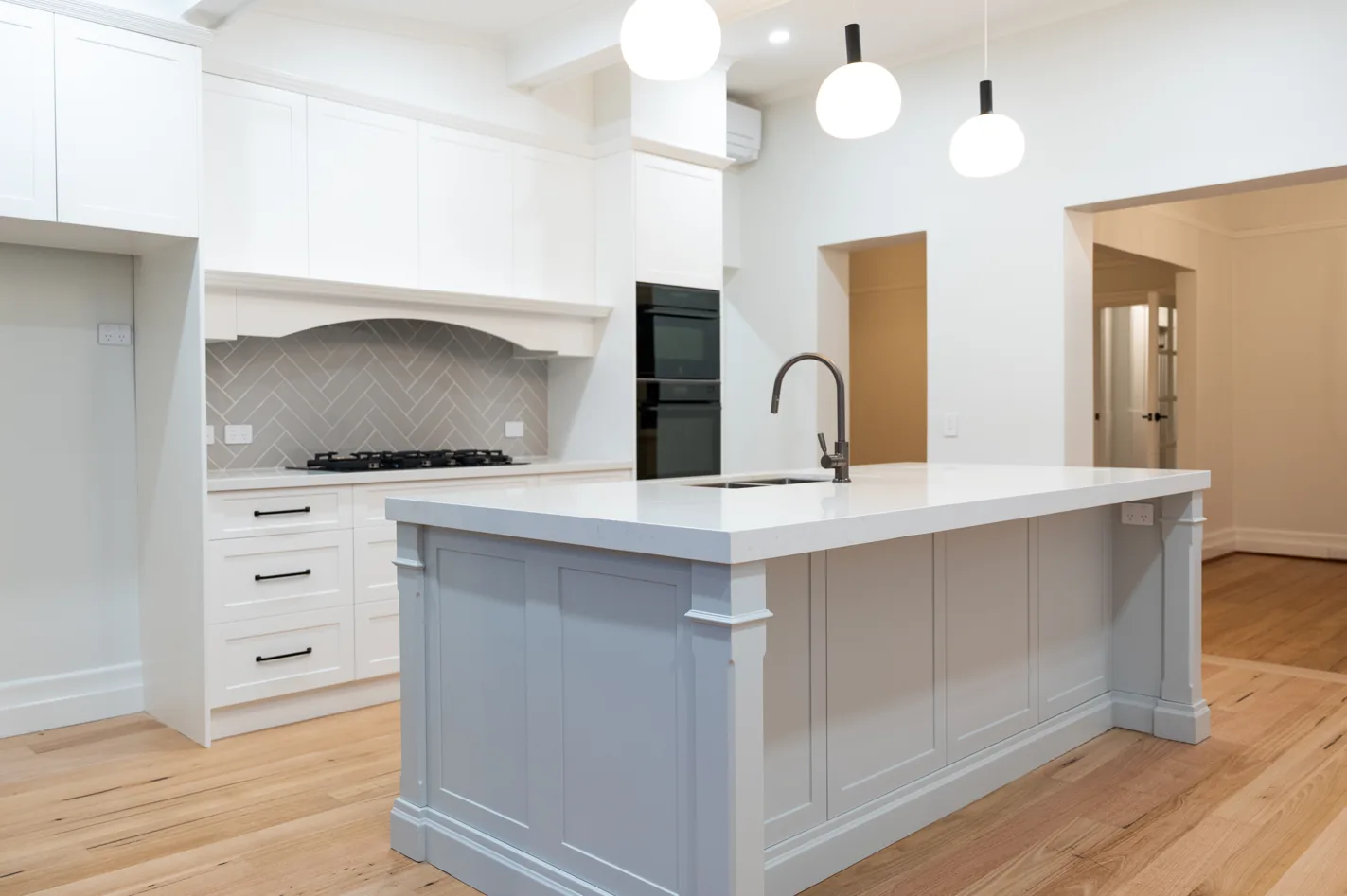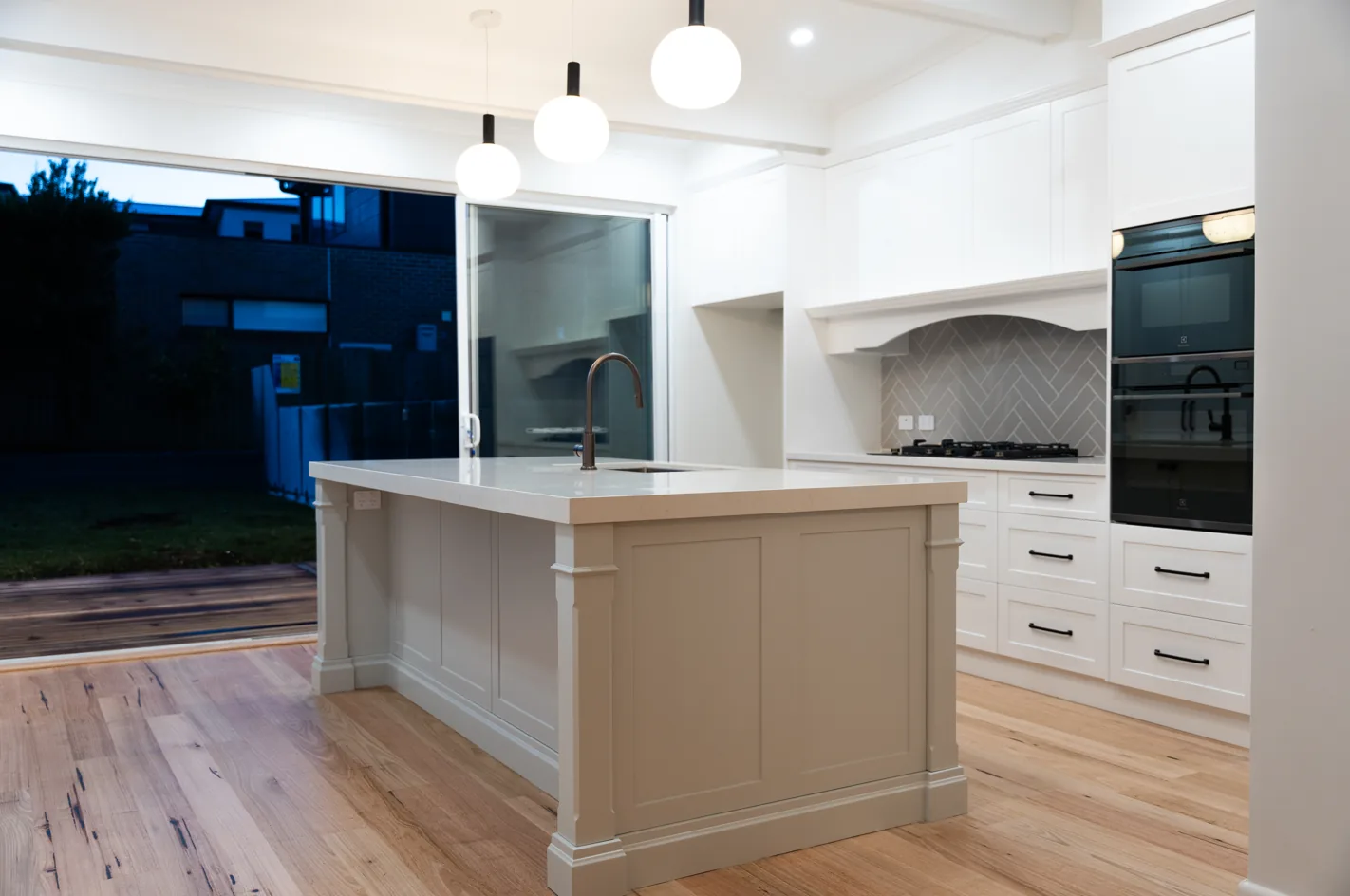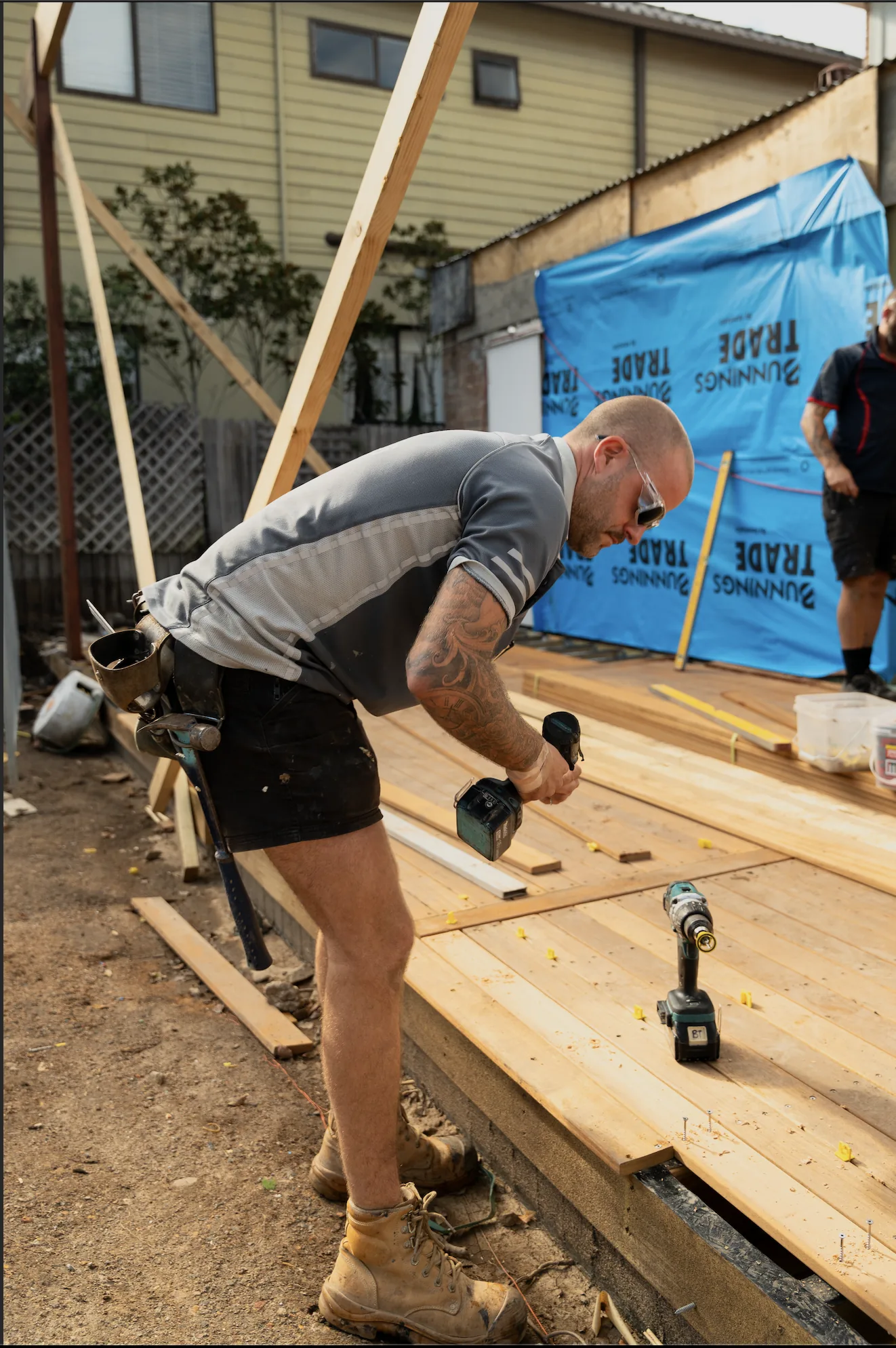
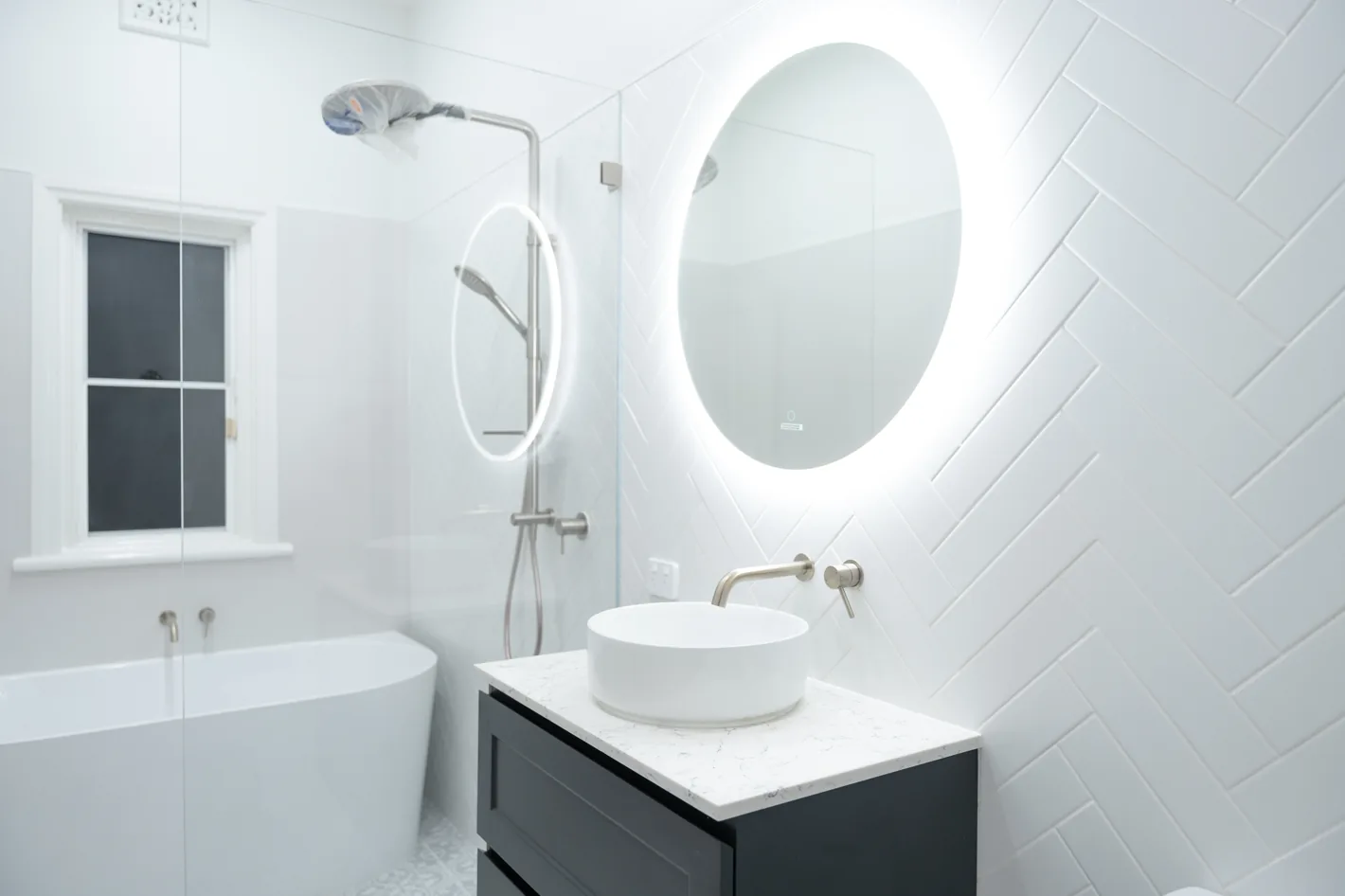
We see the same handful of mistakes repeatedly. None of them are exotic, and all of them are avoidable.
1. Choosing finishes before resolving the layout
Tile samples are more fun than floor plans, so people start there. Then the layout changes and the selections no longer fit. Resolve the plan, the structure and the wet area positions first.
2. Signing a thin scope of works
A one page quote saying "renovate bathroom" is not a scope. It leaves every detail open to interpretation, and interpretation becomes a variation. A proper scope lists inclusions, exclusions, named products where known, and who is responsible for approvals.
3. No contingency
Every renovation reveals something. Older homes reveal several things. A contingency is not pessimism, it is planning. Read how to budget for a major home renovation.
4. Skipping the investigation
Nobody looks under the floor, into the roof space or at the switchboard before designing. Then the design meets reality. Half an hour of investigation early prevents weeks of rework.
5. Spending on visible things and saving on invisible ones
Waterproofing, drainage, insulation, structural sizing and electrical capacity are all invisible when the job is finished. They are also the only items that cause serious problems later. Save on the tile, not the membrane.
6. Late selections during the build
The most common cause of delay we see. A late tile choice holds waterproofing, which holds tiling, which holds fit off, which holds the trades after that. Have selections finalised before the first day.
7. Moving wet areas without a reason
Relocating a bathroom or kitchen means new drainage, new falls, sometimes structural work, and often work to the floor below. Sometimes it is the right call. It should never be a casual one.
8. Changing your mind mid build
Variations are normal. Constant variations are expensive, because each one re sequences trades and reopens completed work. Decide, then commit.
9. Choosing on price alone
The cheapest quote is often the least complete. Compare exclusions before you compare totals. Questions to ask a builder before signing a building contract covers what to check, and how to choose a reliable tradie or builder in Sydney covers assessing the business itself.
10. Managing trades yourself to save money
Owner coordination can work on small, simple jobs. On anything involving structure, wet areas and multiple trades in sequence, the savings usually disappear into delays, rework and gaps in responsibility. When something goes wrong, there is nobody accountable for the whole result.
11. Forgetting the outside
The renovation finishes and the new doors open onto dirt. Include the deck, the paving or slab and drainage in the plan, even if you build them later.
12. Ignoring how you will live through it
Not planning a temporary kitchen, not knowing which weeks are the worst, and not deciding upfront whether to move out. This is what turns a manageable project into a stressful one.
A short checklist
| Before you start | Why |
|---|---|
| Investigation done | Removes the worst surprises |
| Layout and structure resolved | Everything else depends on it |
| Written scope with exclusions | Makes quotes comparable and reduces disputes |
| All selections made | Protects the program |
| Contract, licence and insurance checked | Protects you |
| Contingency set aside | Covers what the house reveals |
| Living arrangements planned | Protects your patience |
Related reading
- How to plan a home renovation in Sydney
- Renovating an older Sydney home
- How much does a home renovation cost in Sydney
Mistakes that only show up later
- No allowance for storage. Open plan spaces look excellent empty and get cluttered fast. Joinery is easier to design in now than to retrofit.
- Ignoring orientation. Large glazing on a western wall creates a room that is unusable on summer afternoons unless it is shaded.
- Undersized services. New appliances, air conditioning and a second bathroom all add load. Upgrading the board and circuits during the works is straightforward. Afterwards it means opening walls again.
- Forgetting external drainage. New paving, decks and roofs change where water goes. This is the source of a large share of problems that appear the first heavy summer after a renovation.
- Choosing finishes for photos rather than use. Some surfaces mark, stain or show every footprint. Ask how a product behaves in a real household before committing.
The communication mistake
Most renovation disputes are not about workmanship. They are about expectations that were never written down. Avoid this by insisting on:
- A scope that lists inclusions and exclusions
- A written variation process with prices agreed before work proceeds
- A regular site meeting, even a short one, with notes
- One decision maker on your side
- A single channel for instructions, not a mix of texts, calls and site conversations
Before you sign anything
Walk the house with your builder and your drawings together and talk through the sequence room by room. It takes an hour and it surfaces more misunderstandings than any amount of email.
ORT Constructions runs renovations with one team responsible from strip out through to handover, which removes most of the coordination risk from the list above.
Frequently asked questions
- What is the most expensive renovation mistake?
- Starting without a resolved layout and a detailed scope. Everything downstream, including selections, structure and program, depends on those two things being settled first.
- Can I project manage my own renovation?
- On small, simple jobs it can work. Once structure, wet areas and several trades in sequence are involved, the savings are usually consumed by delays and rework, and nobody carries responsibility for the overall result.
- How do I avoid variations?
- Finalise the design and selections before work starts, get a detailed scope, and agree a written variation process. Some variations are unavoidable in renovation work, but most are self inflicted.