Renovation pricing is harder to generalise than new construction because so much depends on what is behind the walls. What we can do is explain what makes one renovation twice the price of another that looks similar on paper.
The four things that drive cost
1. Wet areas
Bathrooms, kitchens and laundries are the most expensive rooms per square metre in any house. Waterproofing, tiling, plumbing, ventilation and joinery all concentrate in small spaces, and each involves a different trade.
2. Structural change
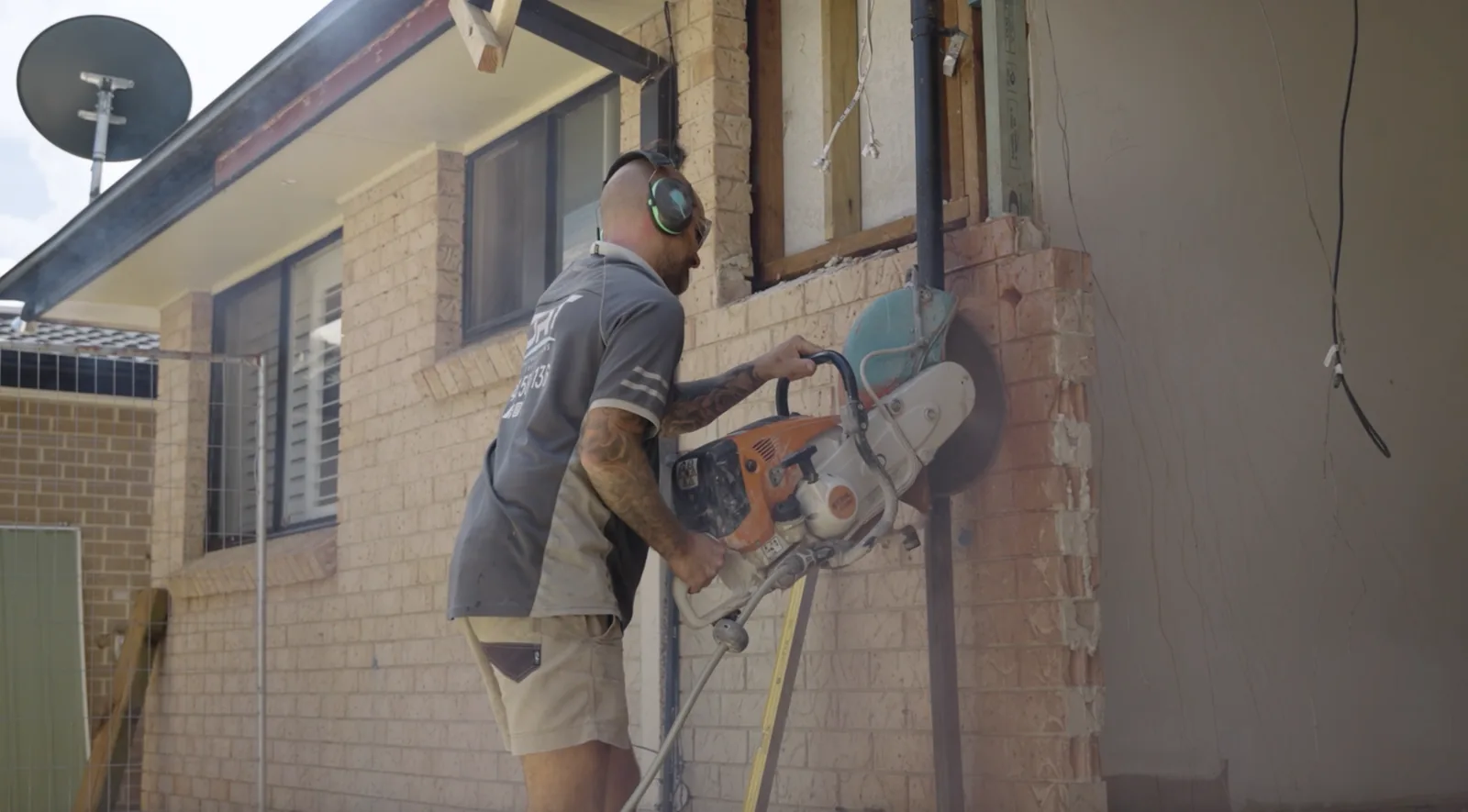
Removing walls, installing beams, changing openings and altering roof structure all require engineering, propping and making good. Structural work is not where to economise.
3. Age and condition of the house
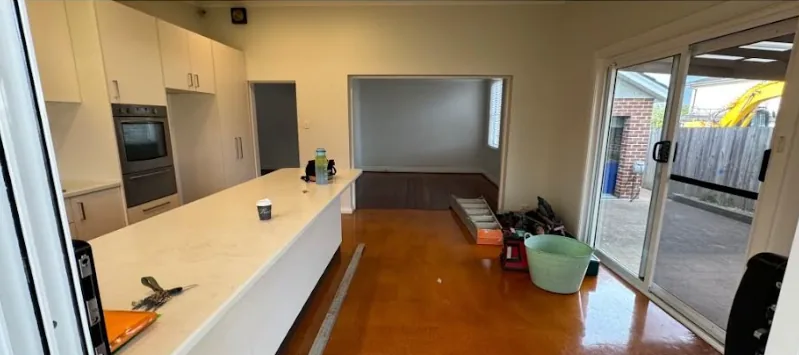
Older homes produce more surprises: unlevel floors, previous unapproved work, failing subfloor timbers, old wiring and plumbing, and termite damage. See renovating an older Sydney home.
4. Level of finish
The same bathroom layout can be built at very different price points depending on tiles, tapware, screens, joinery and stone. Finishes are where most of the variation between quotes comes from.
Relative cost by area
| Area | What makes it expensive | Cost intensity |
|---|---|---|
| Bathroom | Waterproofing, tiling, plumbing, small space, many trades | Highest per square metre |
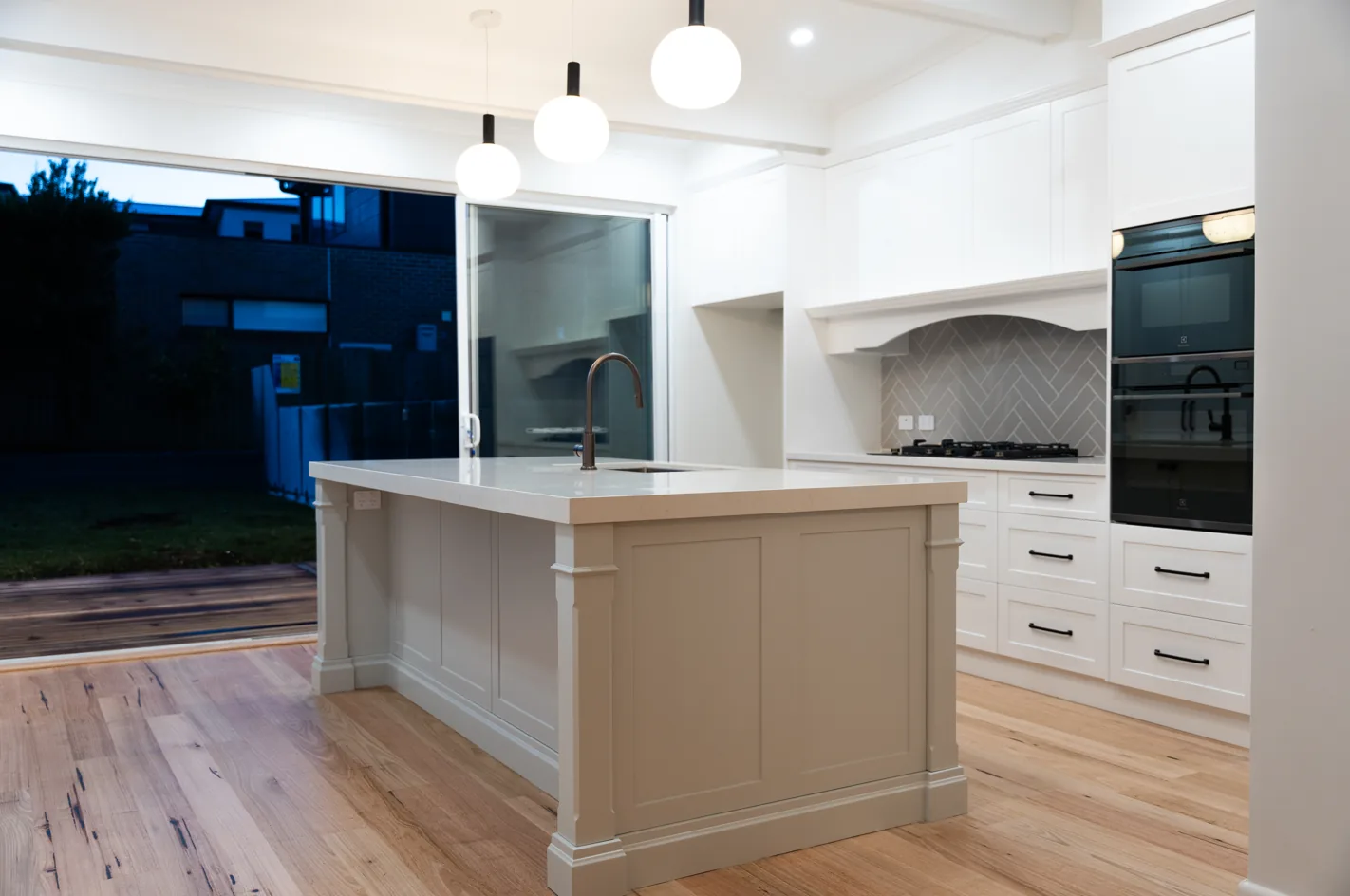
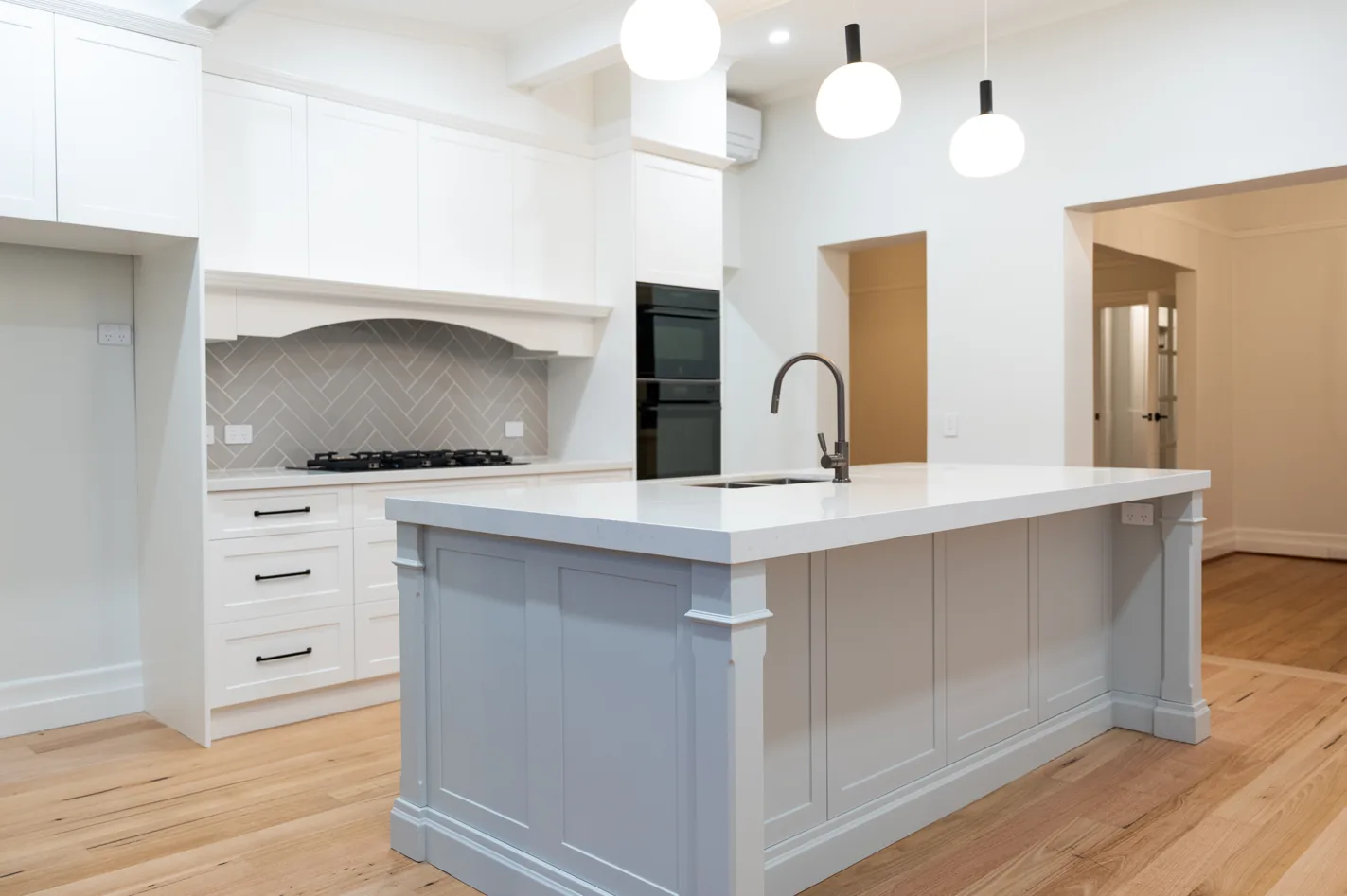
| Kitchen | Joinery, stone, appliances, plumbing, electrical | High |
| Laundry | Wet area requirements in a small footprint | Moderate to high |
| Living areas | Mostly linings, carpentry, painting and flooring | Lower per square metre |
| Bedrooms | Usually the least intensive | Lowest |
| Structural work | Engineering, steel, propping, making good | Varies widely |
| External works | Concreting, decks, landscaping, drainage | Often underestimated |
Costs that are easy to forget
- Demolition and waste removal
- Temporary protection, site fencing and dust control
- Electrical upgrades required to meet current requirements
- Plumbing replacement once old pipework is exposed
- Insulation and energy compliance
- Making good where new work meets old
- Scaffolding and access equipment
- Final clean and rubbish removal
- Storage or rent if you move out
Why allowances make quotes hard to compare
An allowance is a placeholder, not a price. If one quote allows a lump sum for tiling and another prices a specific tile and installation method, the two totals mean different things. Ask for:
- Named products where selections are made
- Quantities and installation method for tiling
- Specific inclusions for joinery, including hardware
- Clear exclusions
Controlling the budget
- Keep wet areas in their existing positions where possible.
- Decide finishes before the build starts, not during it.
- Spend on structure, waterproofing and services. These are the things you cannot revisit cheaply.
- Choose one or two feature elements rather than making everything a feature.
- Stage the work if the budget requires it, but rough in for later stages now.
- Keep a genuine contingency, and treat it as untouchable until the house is opened up.
More on this in how to budget for a major home renovation.
When rebuilding is the better spend
If the structure, wiring, plumbing and drainage all need replacing and the layout still will not work, a renovation can cost more than it returns. Renovate or rebuild works through that decision honestly.
Get a scope before you get a price
The most useful thing you can do is have a builder walk the house and write a scope. A price without a scope tells you almost nothing.
Where renovation money actually goes
People are often surprised by the split. On a typical whole home renovation, a rough proportional guide looks like this:
| Area | Share of budget |
|---|---|
| Demolition, structure and repairs to the existing house | Significant, and largely invisible when finished |
| Kitchen and joinery | One of the two largest single items |
| Bathrooms | High cost per square metre of any room |
| Services: electrical, plumbing, drainage | Steady, and higher in older homes |
| Flooring, painting and finishes | Moderate, but easy to blow out through selections |
| Preliminaries, access, waste and site protection | Always there, often unbudgeted by owners |
The items that make the finished house look good are rarely the items that consume the budget. That is worth knowing before you start, because it explains why a renovation can cost a great deal and still look restrained.
Selections are the lever you control
Two identical renovations can differ substantially on selections alone. Tiles, tapware, benchtops, appliances, door hardware and lighting each have a wide range, and they compound across a whole house.
The practical approach is to decide where you want to spend. Choose two or three places that you touch or see daily, spend properly there, and be disciplined everywhere else. That gets a better result than spreading a mid range budget evenly across every room.
Reduce the risk of surprises
- Get the house inspected before you finalise scope
- Allow a contingency and do not treat it as available for upgrades
- Lock selections before work starts
- Ask what is excluded from the quote, in writing
- Agree how variations are priced and approved before the first one arrives
ORT Constructions renovates homes across Sydney, from single rooms to whole house projects. Our renovations service covers demolition, structural work, carpentry, wet areas, fit out and finishing.
Frequently asked questions
- Which room costs the most to renovate?
- Bathrooms, on a per square metre basis. Waterproofing, tiling, plumbing and ventilation all concentrate into a small area and involve several trades in sequence.
- Why are renovation quotes so different from each other?
- Usually because the scopes differ. Allowances, exclusions and assumptions about the existing house can create very large gaps between quotes for what looks like the same job.
- How much contingency should I hold on a renovation?
- Hold a genuine contingency and increase it for older homes. Once linings and floors come off, unexpected structural repairs, old services and previous unapproved work are common.