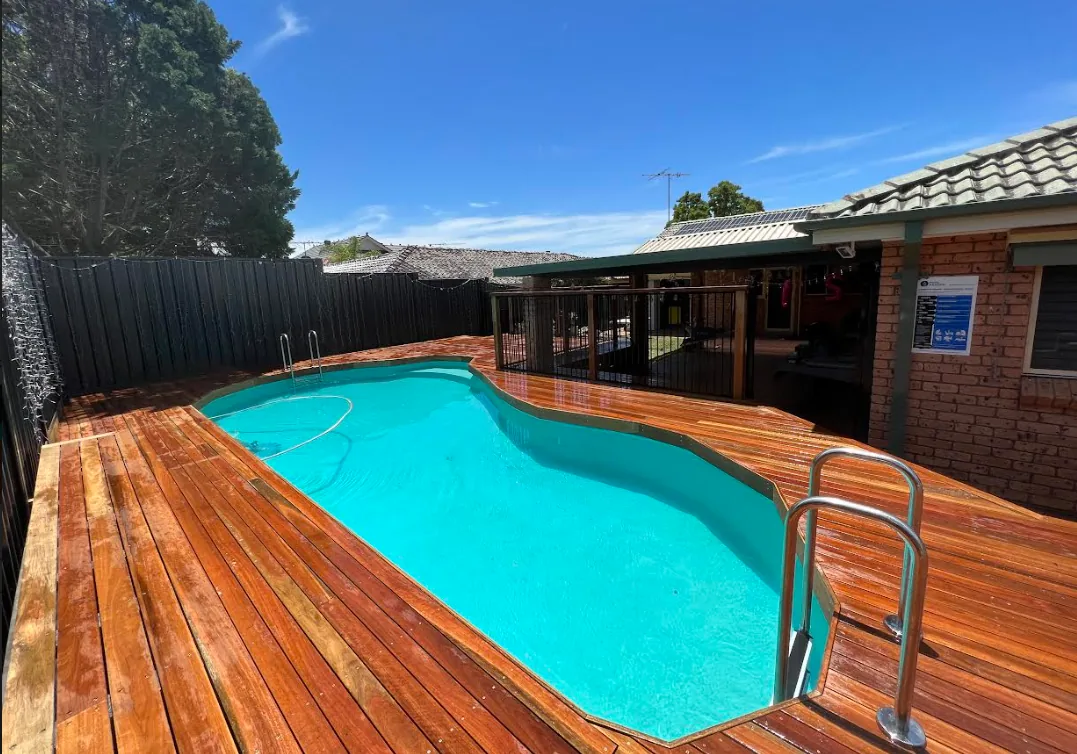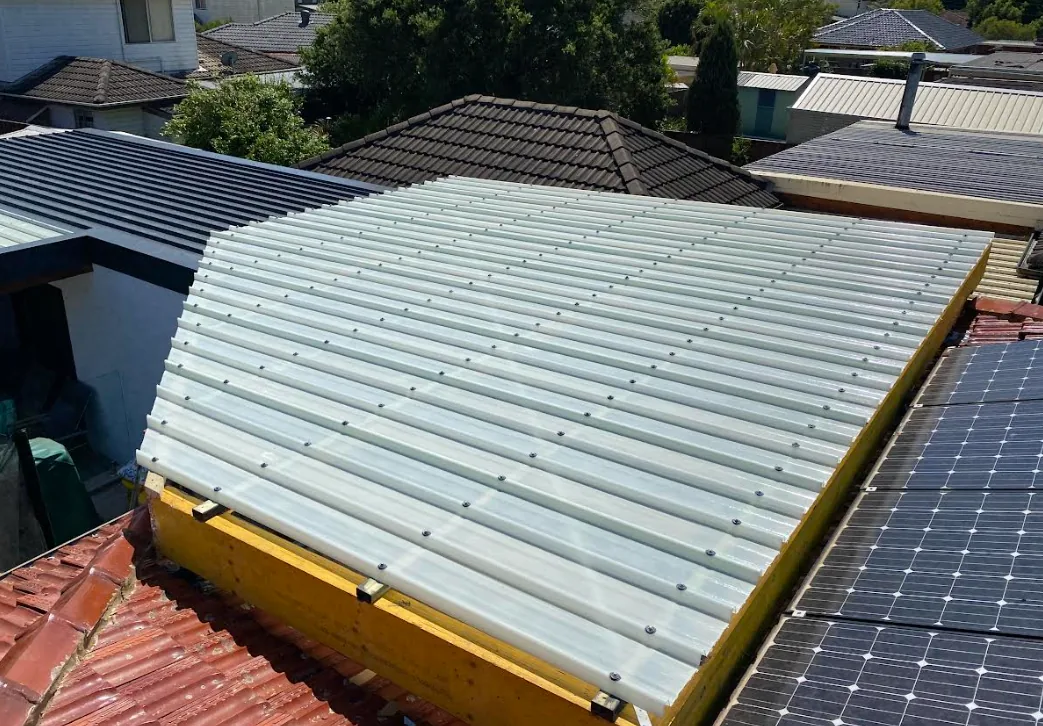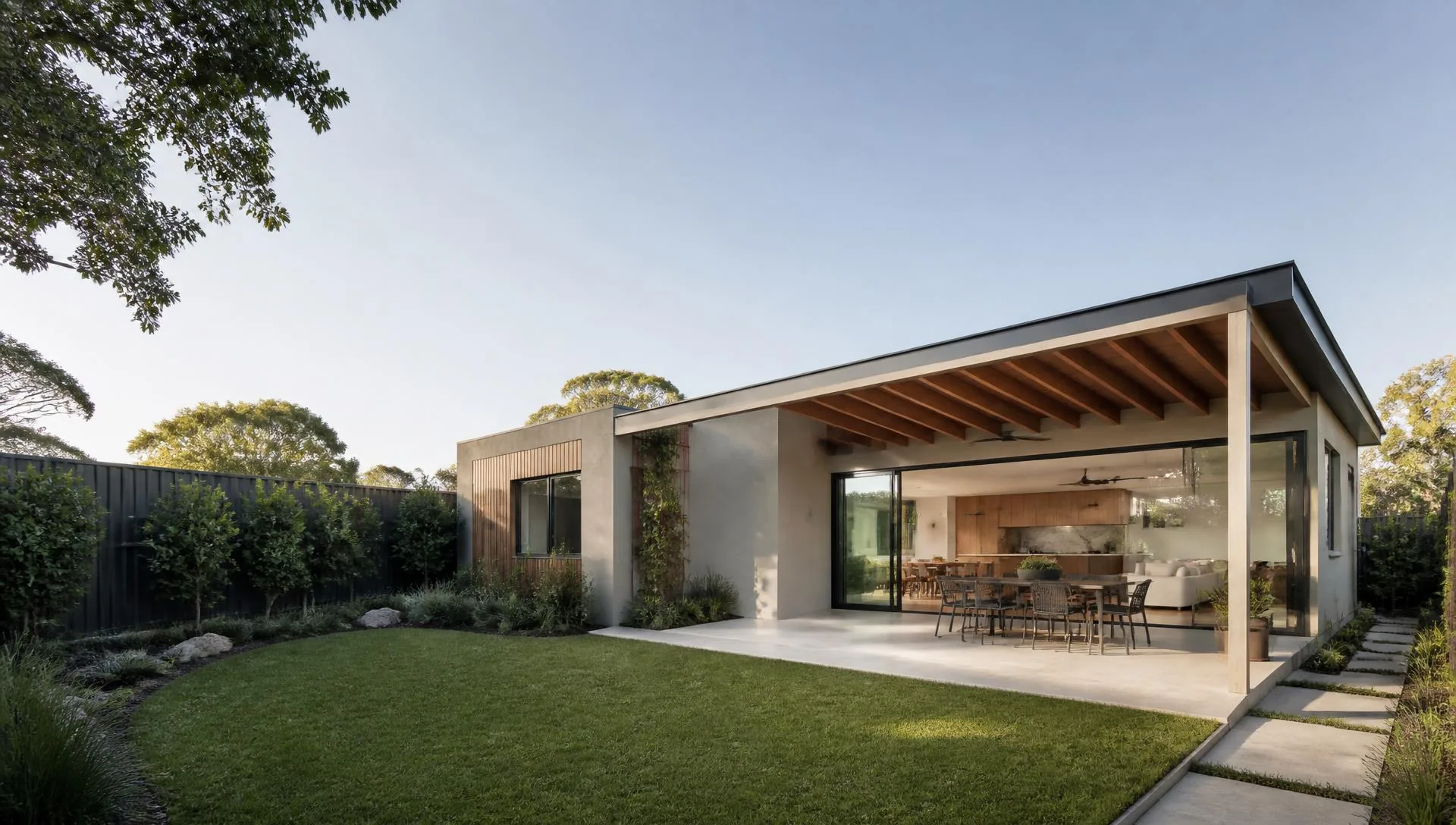
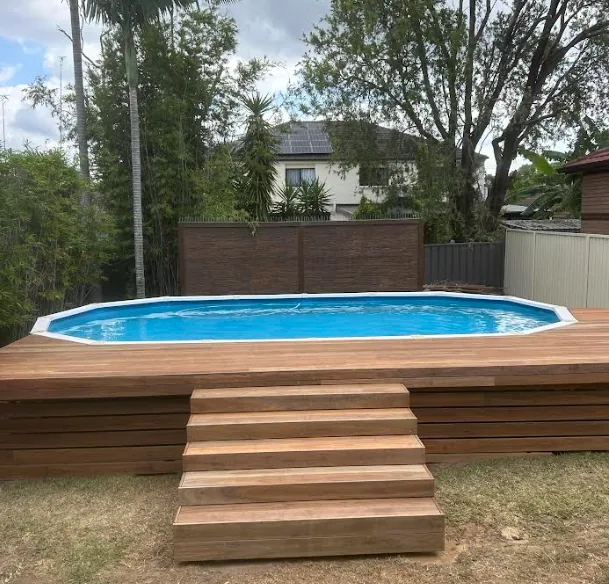
Outdoor living is central to how Australian homes are used, so a good deck is usually a positive. That is not the same as saying every deck returns what it costs.
What buyers actually respond to
- A deck that connects properly to the kitchen or main living area
- Enough space for a real table and chairs, not just a walkway
- Some shade or shelter, so the space is usable in summer and light rain
- A logical relationship to the yard, pool or view
- Finishes and materials consistent with the rest of the house
- Obvious quality, meaning it feels solid and looks well built
What buyers ignore or discount
- A deck reached only through a bedroom or laundry
- A narrow deck too small to furnish
- Timber that has never been maintained
- A deck that blocks the only useful patch of lawn
- Anything that looks like unapproved work
- Structures with obvious movement, rust staining or soft boards
The value is in usability, not area
The most valuable decks are the ones that make the house feel bigger. A well positioned deck off a living area effectively adds a room for much of the year. That is what people are paying for, and it is why connection and shelter matter more than square metres.
If shade is the missing piece, a pergola or patio roof over part of the deck is often better value than making the deck bigger. See pergola versus covered deck and how much a pergola costs in Sydney.
Where money is wasted
| Spend | Why it often does not return |
|---|---|
| Very large decks on small blocks | Removes usable yard, which buyers also value |
| Elaborate shapes and detailing | Costs labour, rarely noticed by buyers |
| Premium boards over a marginal frame | The problem shows up in movement and early failure |
| Deck without shade in full sun | Limits how often the space is actually used |
| Finish level well above the house | Highlights the rest of the home rather than lifting it |
Practical advice before you build
- Check whether approval is required for the deck you have in mind, and keep the paperwork. Unapproved structures create problems at sale.
- Position the deck off the main living space if the plan allows it.
- Allow for shade from the start, even if the roof comes later.
- Spend on the substructure and hardware. That is where longevity lives.
- Keep materials consistent with the house rather than introducing a third look.
- Finish the surrounds. A deck opening onto bare dirt reads as unfinished, so consider paving or a concrete area alongside it.
Maintenance protects the value
A deck that has been maintained presents well and inspects well. One that has not looks like a future cost to a buyer, even when the structure is sound. Our deck maintenance guide sets out a realistic schedule.
The honest summary
A well designed, well built deck in the right position generally improves both the enjoyment and the presentation of a Sydney home. Treat it as an improvement to how you live in the house first, and any effect on value as a secondary benefit rather than the reason to build.
Presentation matters as much as construction
A deck is one of the first things a buyer walks onto, and its condition sets an impression of how the whole house has been looked after. Before a sale, the cheap improvements are the obvious ones: clean it, recoat it, replace any corroded fixings, tighten the balustrade and clear the vegetation growing against it.
A tired deck reads as deferred maintenance. A clean, solid one reads as a house that has been maintained, which affects far more than the deck itself.
Documentation adds value
Keep and hand over:
- Any approval or certification for the structure
- Engineering, if the deck required it
- Details of the decking product and the coating system used
- Warranty documents for composite products or hardware
- Photos of the substructure before boards went down
Buyers and building inspectors ask about decks, particularly elevated ones. Having answers ready removes doubt, and doubt is what gets negotiated on price.
The question to ask yourself
Will this deck change how we use the house for the next few years? If yes, build it well and enjoy it. If the honest answer is that it is being built purely in the hope of a resale premium, spend less, keep it simple and put the difference into the parts of the house buyers walk through first.
ORT Constructions builds decks, pergolas and outdoor living areas across Sydney. If you want an honest view on whether what you are planning is worth the spend on your particular property, we are happy to give one.
Frequently asked questions
- Is a deck or a paved area better value?
- It depends on levels. Where the floor level is well above the ground, a deck is usually the practical answer. Where the ground is close to the floor level, paving or concrete can be more durable and lower maintenance.
- Does an unapproved deck affect a sale?
- It can. Buyers and their solicitors ask about approvals, and unapproved structures create uncertainty. Keep approval and certification documents with your property records.
- How big should a deck be to be useful?
- Large enough for a table and chairs with room to move around them. A deck that only functions as a walkway rarely changes how the house is used.