New home construction follows a well established sequence. What varies is the site, the weather and how prepared the client is with selections.
Before construction starts
- Survey and soil test
- Design and engineering
- Approval, whether complying development or a development application
- Construction certificate and appointment of a principal certifier
- Contract signed, with the specification and drawings attached
- Insurances in place, including home building compensation cover where required
- Finance approved and the progress payment schedule understood
- Selections finalised and long lead items ordered
Most delays on new builds are traced back to something on this list being incomplete.
Stage by stage
1. Site preparation
Fencing, sediment control, site facilities, demolition if required, then cut and fill, retaining and set out. Rock and slope show up here.
2. Footings and slab
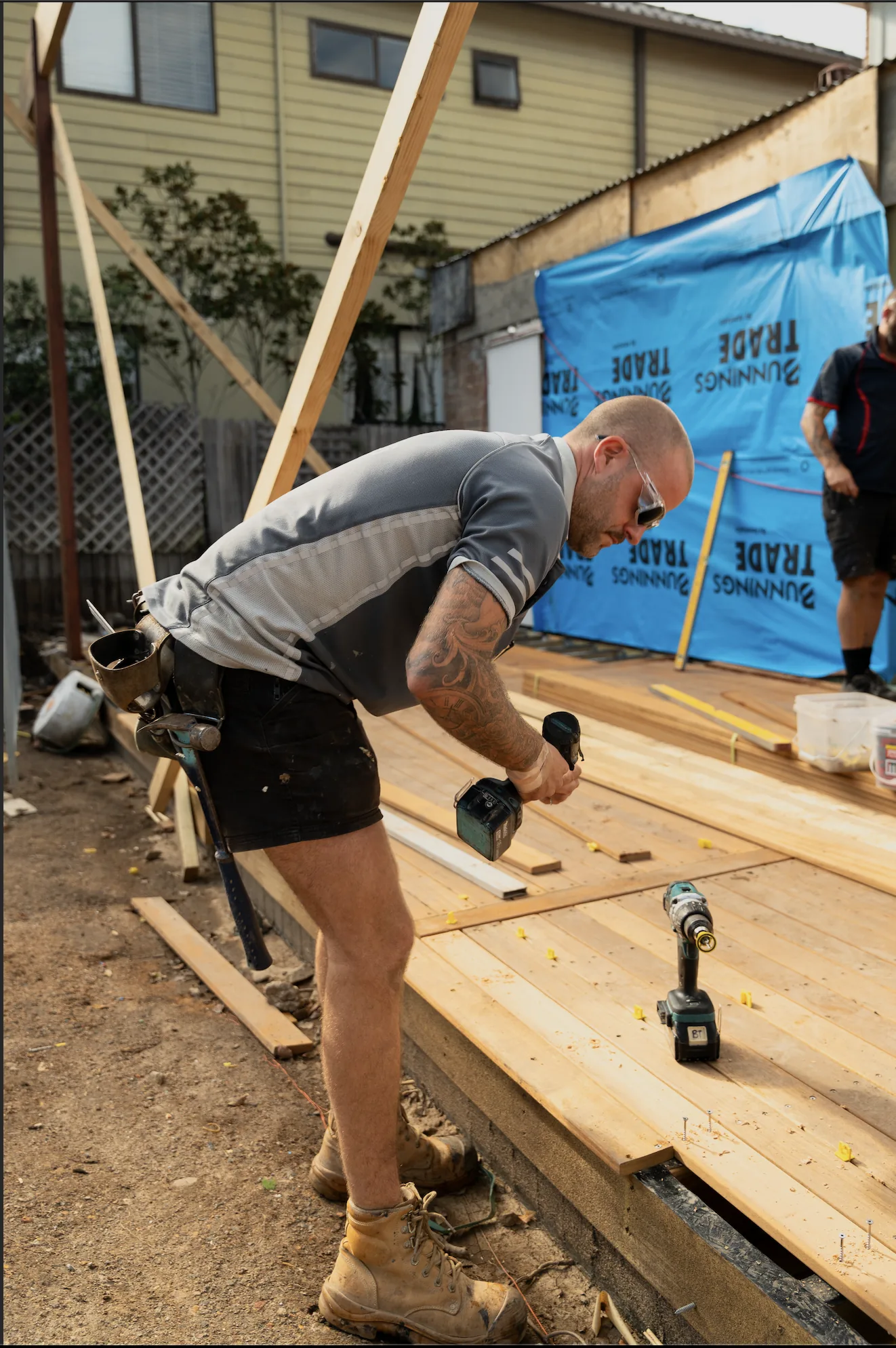
Excavation, piers or footings, formwork, reinforcement, plumbing rough in below the slab, membrane, then the pour. Concrete needs curing time before framing starts. Our concreting team does this work in house on our projects.
What to check: set out dimensions and levels, and that the slab matches the engineering.
3. Frame
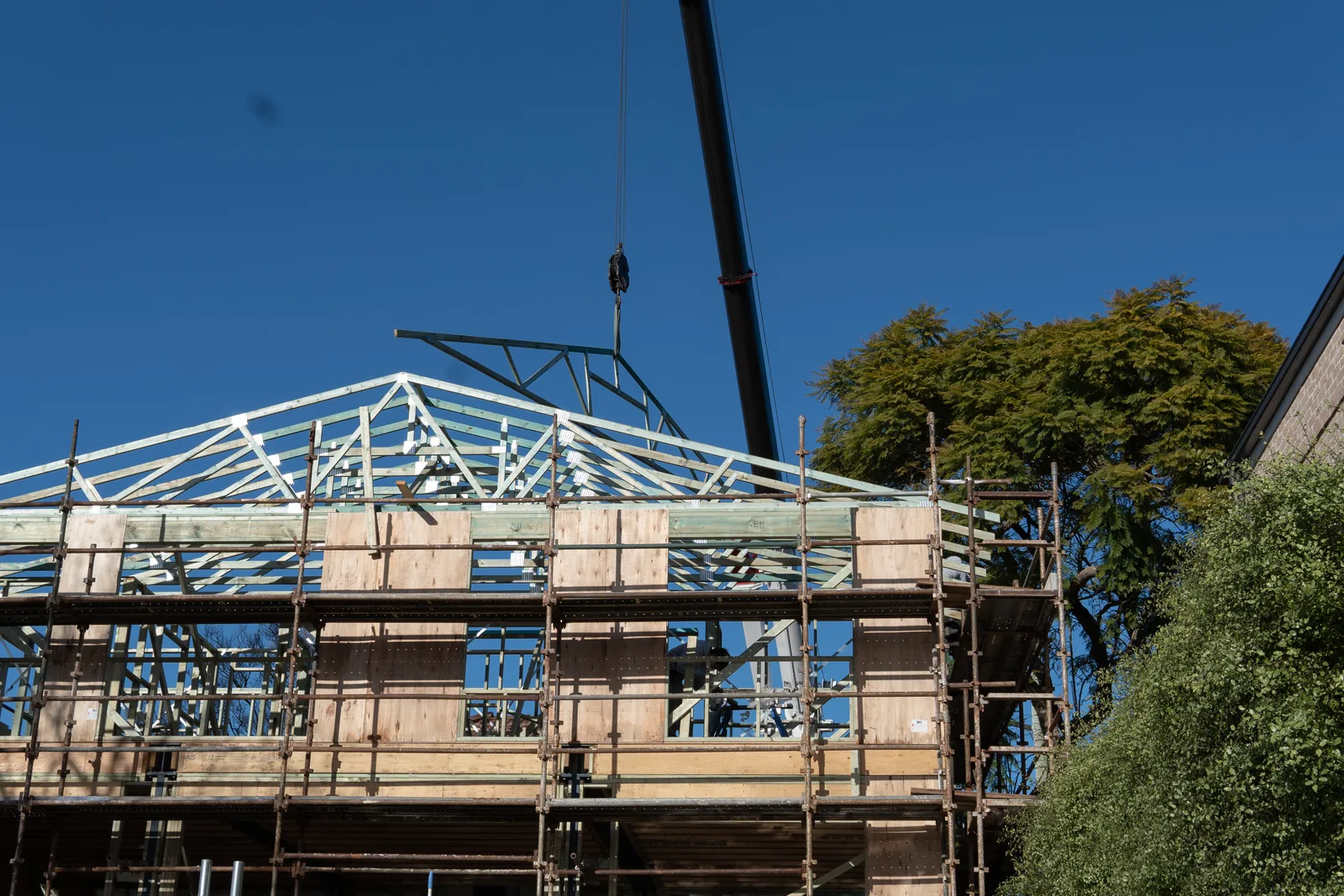
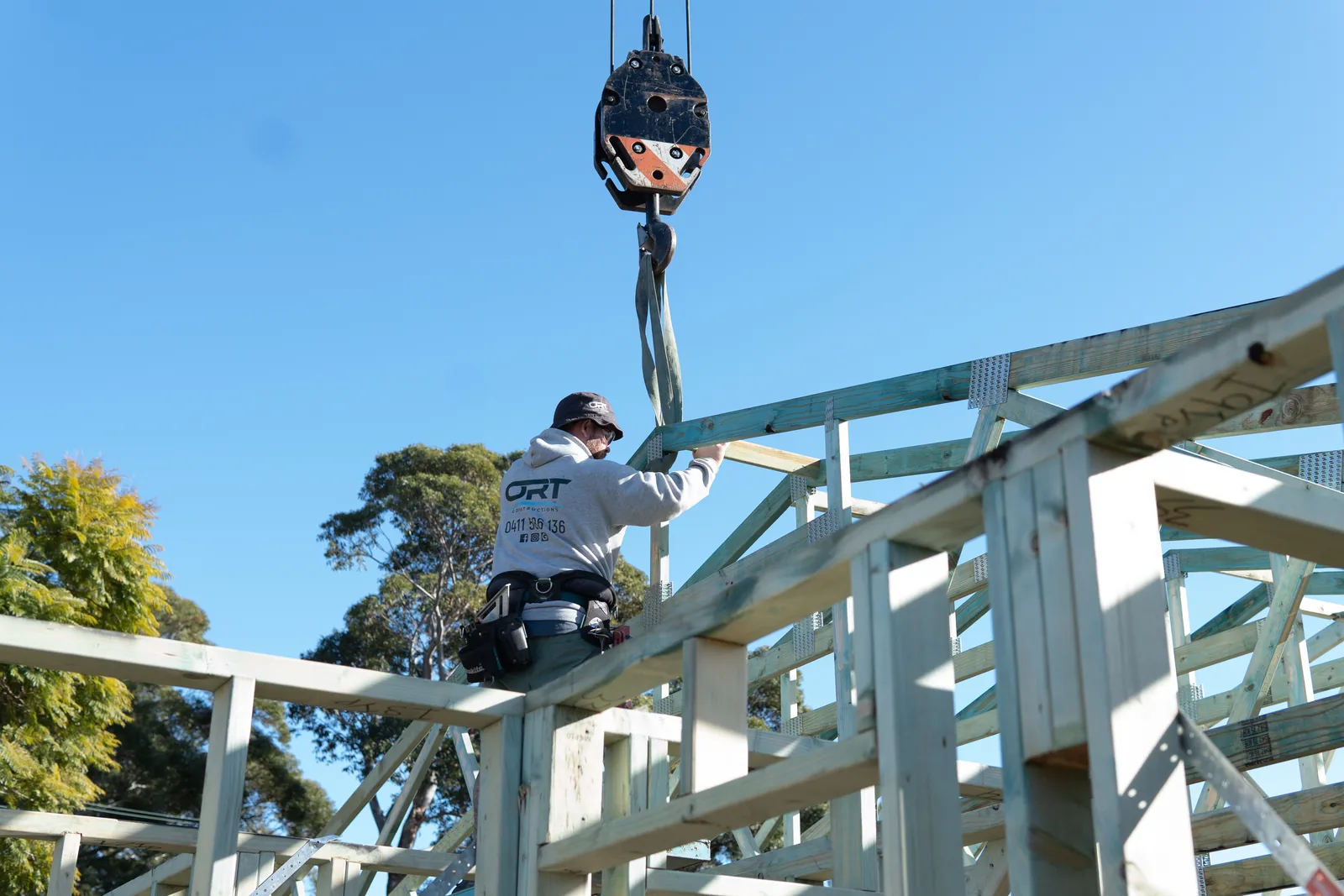
Wall frames, beams, roof trusses or rafters, bracing and tie downs, then roofing. This is when the house appears, and it moves quickly in good weather. A frame inspection is carried out at this stage.
What to check: room sizes on the ground, window and door positions, and ceiling heights.
4. Lock up
Windows and external doors installed, cladding and brickwork, roof completed, waterproofing to external elements. The house becomes weathertight.
What to check: flashing details, and that any glazing changes you requested are correct, since it is expensive to alter later.
5. Services rough in
Electrical, plumbing, drainage, ducting and data run through the open frame. This is your last easy chance to add a power point, a light, or blocking behind a wall for a fixture.
What to check: walk the house with the electrical plan and confirm every switch, outlet and light position on site rather than on paper.
6. Linings and fixing
Insulation, plasterboard, then carpentry fixing: doors, skirtings, architraves, stairs and joinery. Cabinetry is installed and benchtops templated.
What to check: wall and ceiling flatness, and that blocking is in place for anything wall hung.
7. Wet areas
Waterproofing, screeds, tiling, then fit off. Waterproofing is inspected and documented. Do not let this stage be rushed.
8. Finishing
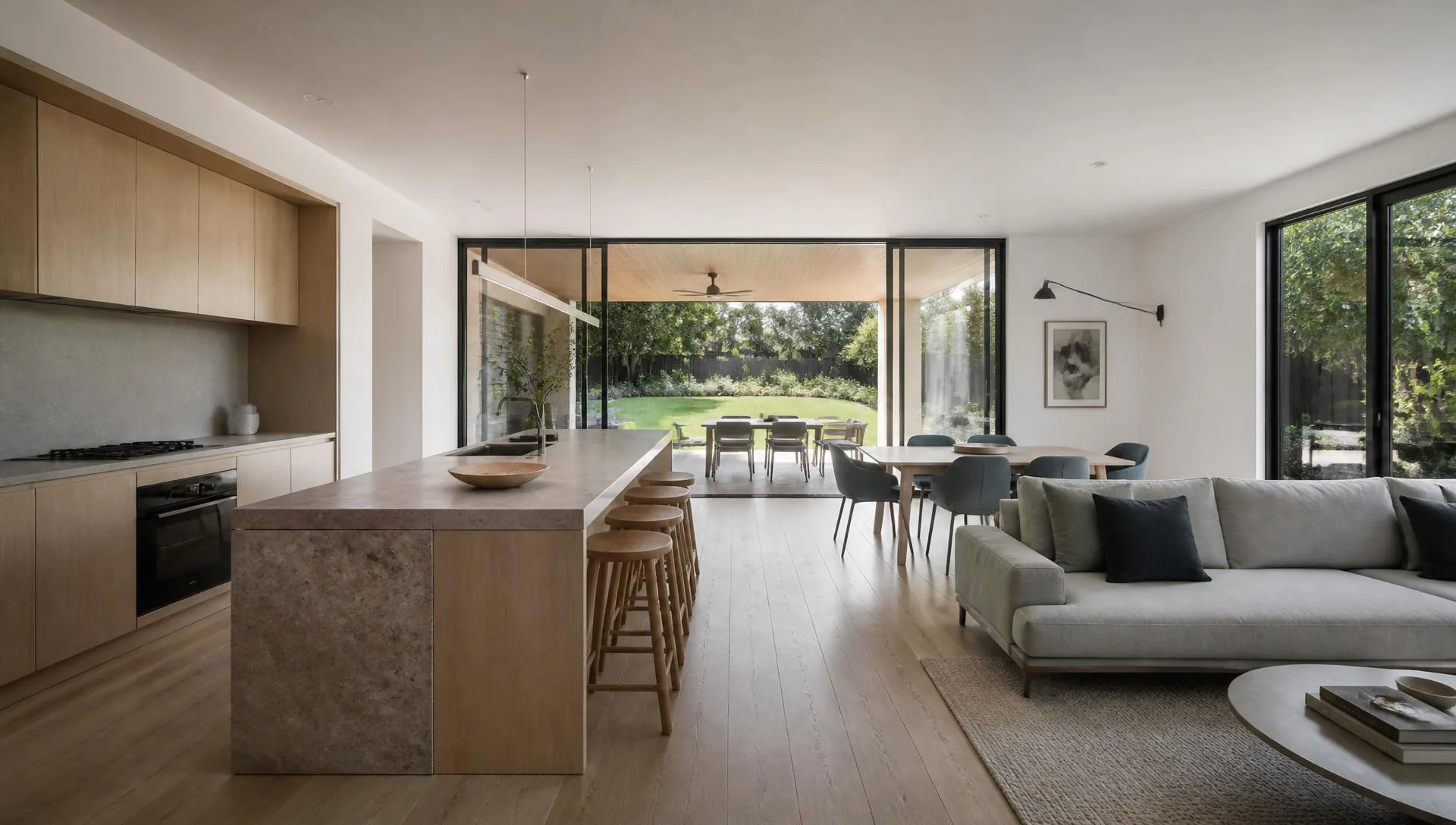
Painting, floor coverings, fixtures, appliances, tapware, hardware, final electrical and plumbing connections, then external works such as driveways, paths, decks and landscaping.
9. Practical completion and handover
Final inspections, occupation certificate, defects walk through, keys, warranties and manuals. Take the time to do the defects inspection properly and in daylight.
Program and payments
| Stage | Usual payment trigger | Common delay causes |
|---|---|---|
| Site and slab | Slab poured | Rock, wet weather, retaining |
| Frame | Frame complete and inspected | Truss lead times |
| Lock up | House weathertight | Window and door delivery |
| Fixing | Linings and carpentry complete | Late joinery selections |
| Completion | Practical completion | Appliance supply, defects rectification |
Payments should follow completed stages, not calendar dates.
Your job during the build
- Make decisions on time
- Do site walks at frame and rough in stages, when changes are still cheap
- Keep a written record of every variation, with the price agreed before work proceeds
- Attend inspections where you can
- Raise concerns early and in writing rather than storing them for handover
Related reading
- How much does it cost to build a new home in Sydney
- Questions to ask a builder before signing a building contract
- How to choose a reliable tradie or builder in Sydney
Your role at each stage
The build runs better when you know what is expected of you and when.
| Stage | What you need to do |
|---|---|
| Pre construction | Finalise drawings, sign the contract, complete selections |
| Slab | Confirm any changes to service locations before the pour |
| Frame | Walk the frame and check room sizes, window positions and heights against the drawings |
| Lock up | Confirm door hardware, tapware and appliance selections are locked |
| Fit out | Attend a joinery check and confirm electrical positions before linings close |
| Fixing and finishes | Colour and finish confirmations, tile setting out |
| Practical completion | Walk through, list defects, arrange handover |
The frame stage walk is the most valuable hour of the whole project. Changes are cheap while the walls are open and expensive after they are lined.
Inspections and certification
Mandatory inspections occur at defined stages, carried out by the appointed certifier. These typically include footings and reinforcement before a pour, frame before lining, waterproofing in wet areas, stormwater, and a final inspection before the occupation certificate is issued. Keep copies of every inspection record. They are your evidence that each stage was signed off.
After handover
You will normally have a defects period after handover. Use it. Keep a list as you live in the house, note the date each item appeared and report items together rather than one at a time. Also keep your warranties, manuals, colour schedules and paint details in one folder. Future you, or a future owner, will need them.
ORT Constructions builds new homes across Sydney and keeps the structural stages in house. See our building services or get in touch to discuss a project.
Frequently asked questions
- What is the best stage to request changes?
- At frame and services rough in. Once linings are on, changes to walls, plumbing and electrical positions become significantly more expensive.
- What inspections happen during a new build?
- Mandatory inspections at nominated stages, typically including footings or slab, frame, waterproofing and final, carried out by the principal certifier.
- Should I pay progress claims by date or by stage?
- By completed stage. Payments should follow work that has actually been finished and, where relevant, inspected.